 ㅤ
ㅤ
 Tiếng Việt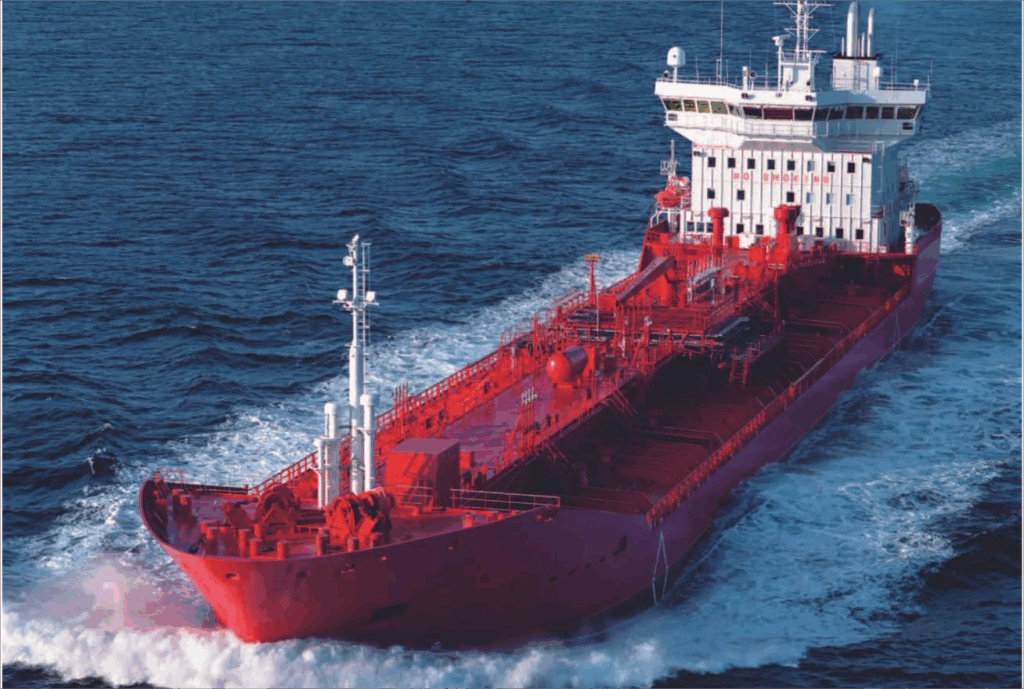
1. Global Marine Fuel Market Rebounds After 2020–2024 Turmoil
Following a period of significant volatility due to the pandemic, the 2020 IMO regulatory changes, and geopolitical conflicts affecting oil supply, the global bunker market is entering a new recovery cycle:
Demand for marine fuel is increasing by 3–5% annually, particularly on Asia–Europe and Asia–America container routes.
Major ports such as Singapore, Rotterdam, and Zhoushan are all recording record bunker throughput in 2024–2025, reflecting the recovery of international trade and the shift of shipping fleets towards the Asia–Pacific region.
The market is gradually shifting from traditional fuels to high-quality VLSFO, MGO, and hybrid fuels such as bio-blended marine fuel.
One notable point: Asia accounts for over 50% of global bunker production, led by Singapore, China, and the UAE. This strengthens Asia’s position as the world’s largest bunkering hub, opening up many new opportunities for businesses in the region — including Vietnam.
2. New Trends: LNG, Methanol, and Biofuel Become Long-Term Games
More than 40% of new ship orders from 2023 to 2025 are dual-fuel (LNG, methanol, LPG, or ammonia). While traditional fuels still dominate, three major trends are shaping the bunker market from 2025–2035:
(1) Strong LNG Bunkering Growth
The number of ships using LNG as fuel is increasing rapidly, especially in the container and cruise ship sectors.
Ports like Singapore, Busan, and Rotterdam are spending billions of dollars expanding their LNG bunker fleets, becoming mandatory partners for major shipping lines (Maersk, CMA CGM, etc.).
(2) Methanol emerges as an alternative
After Maersk commissioned its first methanol-powered vessel, many major shipping lines ordered more methanol-ready vessels.
This led to a demand for investment in specialized methanol bunker vessels with higher safety standards.
(3) Biofuel and e-fuel — a growing but unstable market
Biofuel remains a “convertible” fuel because it doesn’t require replacing the entire engine system.
Bunker suppliers are beginning to integrate biofuel blending services.
The key point: Traditional oil/chemical bunker vessels must be upgraded or newly built to accommodate the new fuels.
3. Opportunities for Vietnam: “Market Gaps” are Opening Up
Although Vietnam is located on a vibrant international shipping route (East-West and intra-Asia routes), its bunker market is still not commensurate with its potential.
3.1. Vietnam has a strategic location but has not fully exploited its potential
Deep-water ports such as Cai Mep – Thi Vai, Van Phong, and Lach Huyen are all located on international shipping routes.
The number of container ships, bulk carriers, and oil tankers calling in Vietnam is constantly increasing.
However, bunkering services account for a small proportion, mainly serving domestic or short-haul vessels.
Meanwhile, Singapore, only 1,000 km from Vietnam, is the world’s largest bunker hub, handling over 50 million tons per year — a significant portion of which comes from ships calling in Southeast Asia — but does not bunker in Vietnam due to a lack of a professional system.
3.2. Vietnam is currently lacking a fleet of internationally standardized bunker vessels.
Currently:
The number of modern oil/chemical bunker vessels (double hull, IMO II/III standard, 2,000–8,000 DWT) is limited.
Fuel supply services outside of buoys and anchorages are still basic and insufficient to compete with Singapore, Malaysia, or Zhoushan.
=> This is the biggest “market gap”.
3.3. Opportunities for Vietnamese Businesses
Vietnamese businesses in the logistics, maritime, and energy sectors can take advantage of this opportunity to:
Invest in a modern fleet of oil/chemical bunker vessels meeting the latest MARPOL standards.
Combine bunker services with intra-Asia oil/chemical transport, increasing vessel operational efficiency.
Linking with major shipping lines to provide:
VLSFO
MGO low sulfur
Biofuel blend
LNG bunkering (long-term)
4. Challenges and requirements for Vietnam to participate deeply in the international bunker market
Despite the great opportunities, the bunker market also has significant barriers:
● Technical aspects
Bunker vessels must meet double hull standards, IMO type II/III, and the pumping, piping, and inert gas systems must meet international standards.
Automated measurement and electronic reporting systems (Mass Flow Meter – MFM) are needed to build trust with international customers.
● Legal aspects
Regulations for bunker licensing in anchorage areas, buoy numbers, and maritime waters need to be improved.
Standard fuel testing standards according to ISO 8217:2017/2024 need to be standardized.
● Regarding Competition
Singapore has a complete fuel supply chain and is backed by strong policies.
Zhoushan (China) is accelerating with preferential tax rates and a huge bunker fleet.
Vietnam needs a clear strategy if it wants to participate in this segment.
5. Proposed Strategies for Vietnamese Businesses
1. Build a modern oil/chemical bunker fleet
Ideal capacity: 2,500–6,500 DWT
Double hull, IMO ship type II/III
Powerful pumping system, MFM, international standard safety equipment
2. Connect with refineries and fuel suppliers
Nghi Son and Dung Quat refineries can become a stable source of bunkers.
Businesses can negotiate to build a VLSFO supply chain.
MGO – Flexible Biofuel.
3. Expanding Services to the Region
Providing Bunker Services at:
Cai Mep – Thi Vai
Van Phong
Con Dao – Truong Sa (international transit vessels)
Combining ship supply, lube oil, and tugboat services to increase profitability.
4. Investing in Fleet Management Technology
Using a digital system for remote monitoring and real-time bunker reporting.
Increasing transparency – the most important factor in the global bunker market.
6. Conclusion: Vietnam Could Become the “New Bunker Hub” in Southeast Asia
Amidst accelerating global trade and the shift to new standards in marine fuels, the bunker market is entering a new investment cycle.
Vietnam possesses a strategic location, modern deep-water ports, and a stable fuel supply, but lacks a bunkering system commensurate with its potential.
If we know how to take advantage of it:
Investing in properly designed oil/chemical bunker vessels
Building a new fuel supply chain
Connecting with global shipping companies
Applying international standard technology
=> Vietnam can absolutely join the group of important bunkering countries in Southeast Asia, directly competing with Malaysia and even sharing a portion of Singapore’s market share in the future.