
 ㅤ
ㅤ
 Tiếng Việt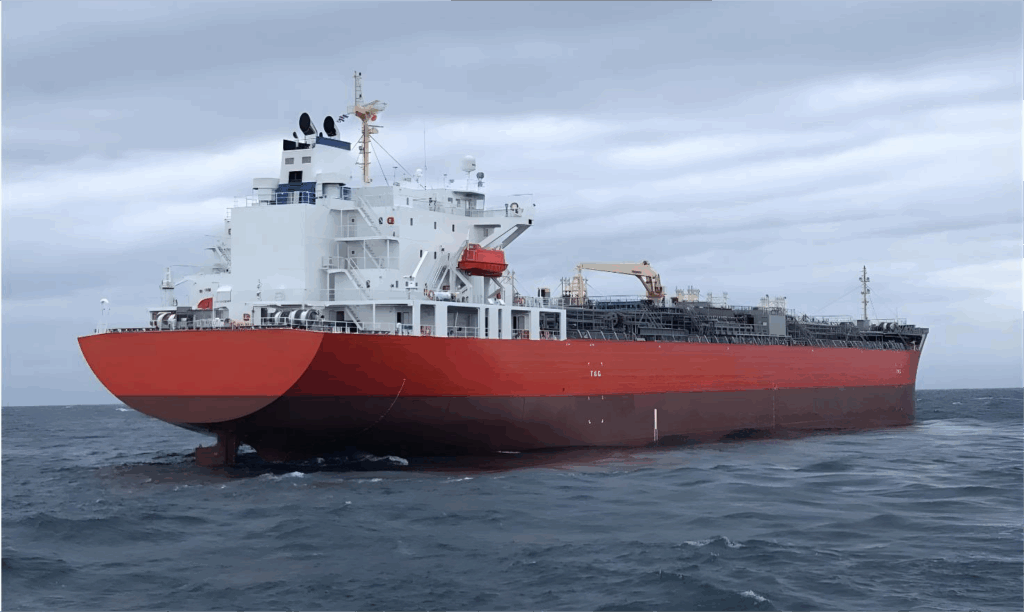
When people hear the term “bunker,” many simply think of it as an “oil tanker.” In reality, in the shipping industry, bunker vessels are classified quite specifically, especially the oil/chemical bunker group.
1. Bunker Vessels by Purpose
Oil Bunker Barge/Tanker
Only carries fuel oil for the vessel: HFO, MGO, MDO, VLSFO…
Cargo structure similar to small product tankers.
Oil/Chemical Bunker Vessel
Can also carry liquid chemicals, base oils, industrial additives…
Usually classified according to IMO Type (Type 1, Type 2, Type 3) depending on the hazard level of the cargo.
Multipurpose Service/Supply & Bunker
In addition to oil, also supplies fresh water, lubricants, materials, and food.
Suitable for areas with many cargo ships, offshore vessels, and oil rigs.
2. Classification by Size & Operating Area
Domestic/Coastal Bunker Vessels:
Small to medium capacity (a few hundred to a few thousand DWT).
Operates in rivers, bays, inland or coastal areas of a country.
International Bunker Vessels:
Larger capacity, potentially up to tens of thousands of DWT.
Operates on international routes, transshipment between major fuel hubs for many countries.
3. Characteristics of Oil/Chemical Bunker Vessels Compared to Conventional Oil Tankers
High cargo handling frequency, fast turnaround time
A single bunker vessel can serve many ships per day, delivering several hundred to several thousand tons of oil per trip.
Therefore, the pumping, piping, and valve systems must be durable, easy to operate, and capable of handling high loads.
Flexible cargo handling requirements
Many customers require different types of fuel: FO, DO, MGO…
The vessel must have multiple separate tanks to carry different grades simultaneously without mixing.
Strict safety and environmental standards
Bunkering near ports/river mouths always poses a risk of oil spills and environmental pollution.
The vessel must strictly comply with MARPOL Annex I regulations, oil spill response procedures, and crew training.
4. Development trends: New fuels & “green” bunkering
The shipping industry is shifting towards lower-emission fuels (LNG, methanol, and other “green fuels”). In the future:
LNG/methanol bunker vessels will become more common.
New generation oil/chemical bunker vessels may combine the carrying of various clean fuels with traditional petroleum products.
Emission measurement and control systems, as well as flow monitoring systems, will become increasingly automated.